The Essential Guide to Lightweight Walkers: A Comprehensive Overview
As life goes on, mobility can typically end up being restricted for numerous factors, such as age, injury, or health conditions. For lots of individuals, having the ideal mobility aid is essential for preserving self-reliance and self-confidence while moving about. One of the most popular options offered on the market today is the lightweight walker. In this post, we will dive deep into the world of lightweight walkers, exploring their features, benefits, and considerations for choosing the right one.
What is a Lightweight Walker?
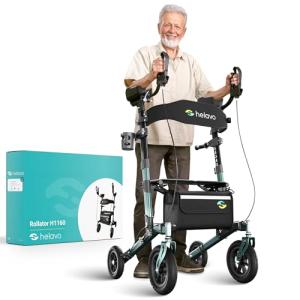
A lightweight walker is a type of mobility aid created to support people who need assistance with walking but need a solution that does not burden them with extreme weight. These walkers are usually made from durable yet lightweight products such as aluminum, making them easy to raise and maneuver. They can significantly improve mobility and promote a sense of independence for users.
Features of Lightweight Walkers
Picking the best lightweight walker involves comprehending the numerous features they use. The following table describes some common features and specifications to try to find when selecting the perfect walker:
| Feature | Description |
|---|---|
| Material | Typically made from aluminum or other lightweight products for easy mobility. |
| Weight Capacity | Typically supports in between 250-350 pounds, but this varies by design. |
| Foldable Design | Lots of lightweight walkers come with a foldable function for easy transport and storage. |
| Height Adjustability | Users can tailor the height to ensure comfort and proper posture. |
| Hand Grips | Ergonomic handgrips provide included comfort and safety while walking. |
| Wheels | Some designs include rubberized wheels for smoother mobility, while others are designed without them for a tougher base. |
| Accessories | Choices for baskets, trays, or other add-ons to enhance performance. |
Benefits of Using a Lightweight Walker
Lightweight walkers supply numerous benefits, making them an ideal alternative for those requiring mobility assistance. Here are some considerable advantages:
- Enhanced Mobility: Lightweight walkers make it possible for users to navigate through spaces with ease, promoting self-reliance.
- Easy to Carry: Their lightweight design allows users to lift and transport them without problem.
- Stability and Support: Walkers provide a stable base for users, making walking safer and lowering the risk of falls.
- Enhanced Posture: The adjustable height feature assists users preserve appropriate posture while walking, adding to long-term health.
- Personalized Features: Many designs offer a series of accessories that can be customized to fit individual requirements.
- Cost: Compared to other mobility aids, lightweight walkers are typically more budget-friendly without sacrificing quality.
Considerations When Choosing a Lightweight Walker
Picking the right lightweight walker includes thinking about various elements that line up with individual needs. The following list uses key factors to examine:
- User's Weight and Height: Ensure the walker can accommodate the user's weight and can be adjusted for height.
- Surface: Consider where the walker will primarily be used (indoor, outdoor, smooth surfaces, unequal terrain).
- Practical Needs: Think about any particular requirements such as walking speed, frequency of use, and preferred features (like baskets or detachable seats).
- Mobility: Determine whether the walker needs to be quickly transportable for getaways or journeys.
- Type of Walker: Decide in between basic, wheeled, or rollator walkers based on the user's balance and walking ability.
Often Asked Questions (FAQ)
1. Who should utilize a lightweight walker?
Lightweight walkers are ideal for elderly people, those recovering from injury, or anyone who needs additional support while walking.
2. Just how much do lightweight walkers usually cost?
Prices can vary based on features and brand name. Lightweight walkers can range from ₤ 50 to ₤ 250, with more advanced models costing more.
3. Exist walkers specifically developed for outdoor usage?
Yes! Walking Frame included bigger wheels and more durable building and construction, making them suitable for outdoor surface.
4. How do I understand which height is appropriate for the walker?
When utilizing a walker, the user should adjust the handgrips to elbow level when their arms are unwinded at their sides, preserving a slight bend in the elbows.
5. How typically should you examine a lightweight walker?
It's excellent practice to check the walker for wear and tear frequently. Look for any loose parts, used grips, or damaged wheels, particularly if utilized day-to-day.
In summary, a lightweight walker acts as an important tool for individuals in need of mobility assistance. Its combination of ease-of-use, safety, and modification allows users to with confidence engage with their surroundings while preserving self-reliance and personal mobility. When picking the right walker, it's important to think about the user's individual requirements, chosen features, and designated use.
With numerous designs offered in today's market, prospective users can find the perfect lightweight walker that will not only enhance their mobility however also enhance their overall lifestyle. After all, everyone is worthy of the freedom to move with self-confidence and ease.